Know your cholesterol from your teens: Dr Devi Shetty’s heart-screening checklist for young Indians
Cardiac surgeon Dr Devi Shetty outlines a heart-screening checklist for young Indians, citing Cardiological Society of India guidance on when different groups should begin evaluation.
Every Indian should know their cholesterol level from around the late teenage years, according to cardiac surgeon Dr Devi Shetty, who laid out a heart-screening checklist based on recommendations from the Cardiological Society of India in an interview with ANI.
Beyond cholesterol checks from the teenage years, Dr Shetty said men between 35 and 40 years should undergo routine heart evaluation, including appropriate imaging when advised. Anyone with a family history of heart disease should begin screening earlier, around 30 years of age, while people with longstanding diabetes should undergo heart evaluation even earlier based on medical advice.
The recommendations come amid growing concern over young, apparently healthy Indians dying of heart attacks. Dr Shetty said many such attacks are not actually sudden but silent: ‘Nearly 50 percent of the patients with blockage in the coronary arteries have no symptoms. Nearly 50 percent develop a heart attack without any previous chest pain, especially diabetics.’
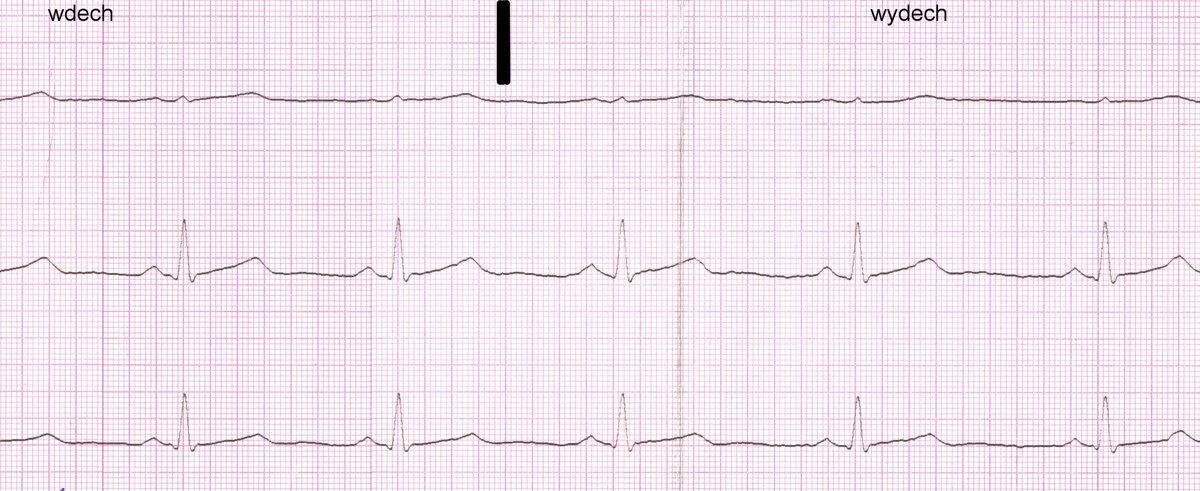
He said a basic evaluation may include blood tests, an electrocardiogram, an echocardiogram, and a cardiac CT scan when recommended by a doctor, adding that people often avoid doctors until they develop symptoms, by which point it may be too late. ‘Everyone should know their numbers, blood pressure, cholesterol and heart health,’ he said, though he stressed that routine screening should always be discussed with a qualified physician, since the right tests depend on age, symptoms, family history and individual risk factors.
Dr Shetty also cautioned that fitness alone does not rule out hidden heart disease, citing data discussed by FIFA on cardiac events among professional footballers to note that even elite athletes undergo extensive heart screening. His advice was that people planning competitive marathons, extreme sports or high-intensity training should get a proper medical evaluation first, though he stressed the message was not to avoid exercise, since regular physical activity remains one of the best ways to reduce cardiovascular risk.



Leave a Reply