New nozzle test system cuts costs for Isro’s cryogenic engine testing
Isro's newly developed Nozzle Protection System simplifies cryogenic engine testing that once required complex high-altitude facilities.
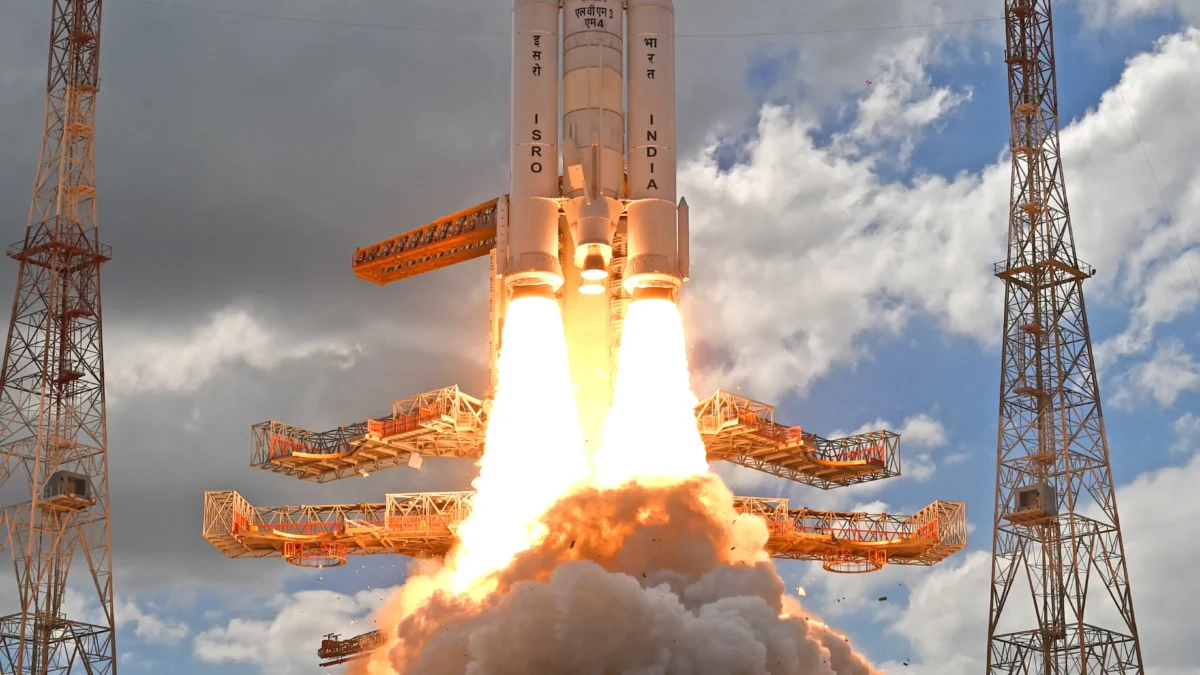
The Indian Space Research Organisation (Isro) has used a newly developed Nozzle Protection System (NPS) for the first time during a flight acceptance test, simplifying a process that previously required complex high-altitude test facilities to simulate near-vacuum conditions.
The system was deployed during the flight acceptance hot test of the indigenous CE20 cryogenic engine, conducted on 6 July at the Isro Propulsion Complex in Mahendragiri, clearing the engine to power the upper stage of the next LVM3 mission, LVM3-M7. Isro said the NPS enables testing of the CE20 engine’s full area-ratio 100 nozzle under sea-level conditions, reducing the resources needed for engine testing and enabling longer-duration tests.
Isro had earlier developed and validated the Nozzle Protection System on a qualification engine through multiple test campaigns before deploying it for this flight acceptance test. During the latest test, the CE20 engine ran at 19.5 tonnes of thrust for 45 seconds before being ramped up to its maximum rated thrust of 22 tonnes for another 25 seconds, with both the engine and the new system performing satisfactorily.
The CE20 engine powers the cryogenic upper stage of the LVM3, India’s heaviest operational launch vehicle, and has flown on eight consecutive LVM3 missions, including Chandrayaan-2 and Chandrayaan-3.
The successful demonstration is expected to streamline future acceptance testing of the CE20 engine while supporting upcoming LVM3 launches, including missions under the Gaganyaan human spaceflight programme.



Leave a Reply