DNA Study Identifies Two Lost Colonial Governors Buried Beneath a Maryland Chapel
A new genetic study has identified two 17th-century colonial governors buried beneath a Maryland chapel, and uncovered the mystery of an 8-year-old boy buried alongside them.
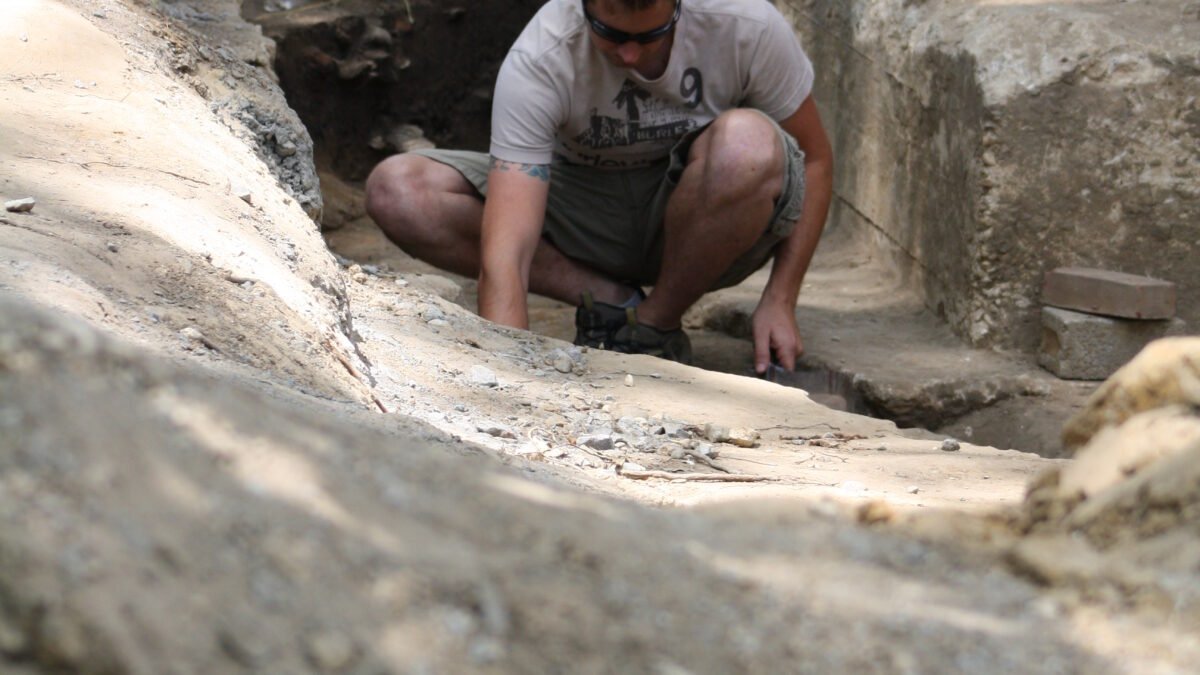
A new genetic study has uncovered a remarkable piece of Colonial American history buried beneath a 17th-century chapel in Maryland. Researchers analysed the DNA of 49 people interred at St Mary’s City between 1634 and 1730, revealing that two of Maryland’s early colonial governors were buried there along with their families.
St Mary’s City was founded in 1634 as the capital of the British colony of Maryland, settled largely by people fleeing religious persecution in England. By 1667, the colonists had built a small church known as the Brick Chapel, and decades of excavation around the site have revealed dozens of burials, including three rare lead coffins. The study, published this week in the journal Current Biology, confirmed that Philip Calvert, the fifth colonial governor of Maryland, was buried there along with his wife Anne Wolseley Calvert and an infant son.
More surprisingly, researchers were also able to identify Thomas Greene, the second colonial governor, whose burial location had never been confirmed before. The identification was made by comparing his DNA against the 23andMe genetic database alongside genealogical records — one of the first times ancient DNA has helped identify a historical figure with no prior knowledge of who the remains might belong to.
Among the graves was also an 8-year-old boy with majority African ancestry, laid to rest in a shroud and coffin alongside prominent English settlers, raising questions about whether he was enslaved or held a different status entirely. Isotope analysis of his bones showed he was born in America rather than brought over from elsewhere. His burial followed English customs typically reserved for the colony’s elite families, since enslaved people were usually buried separately in unmarked locations — leading researchers to suggest he may not have been enslaved, though the line between indentured servitude and enslavement for people of African descent in the 17th century was often blurred.
The majority of the skeletons examined showed ancestral ties to western England and Wales, matching historical records of who settled St Mary’s City. Cross-referencing this ancient DNA with modern genetic databases, the study’s authors found more than 1.3 million living genetic relatives of this founding colonial population, with the largest cluster — over 200 people — tracing their ancestry to Kentucky, a pattern linked to the migration of Maryland’s Catholic families there after the Revolutionary War.



Leave a Reply