Ancient Egypt’s ‘Vein of Love’ Still Shapes How We Wear Wedding Rings Today
An ancient Egyptian and Roman belief about a vein running from the fourth finger to the heart still explains why wedding rings sit where they do.
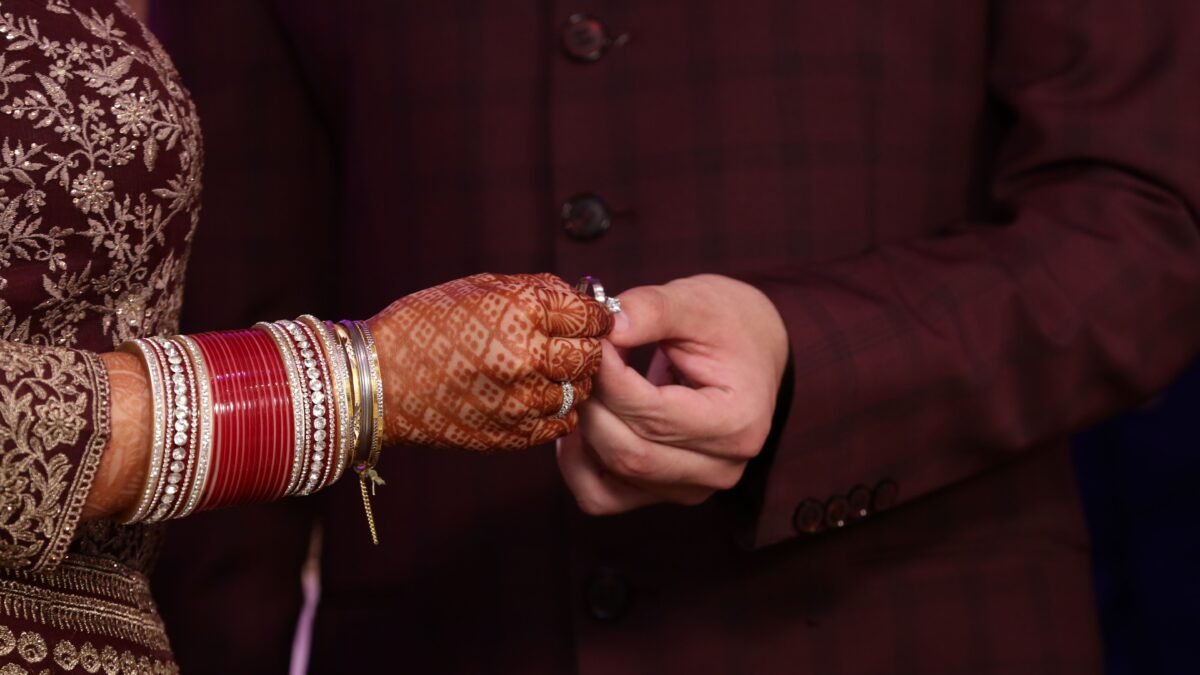
Long before diamond rings and modern wedding traditions, ancient Egyptians and Romans believed the fourth finger of the left hand held a special vein running straight to the heart. They called it the vena amoris, or ‘vein of love,’ and that belief still quietly shapes where couples wear their wedding rings today.
The idea was powerful precisely because it linked the ring to emotion in such a direct way — a wedding band placed on the finger believed to connect to the heart put the symbol of marriage exactly where love supposedly resided. Modern science has since shown no such vein exists, but by the time medicine caught up, the symbolism had already taken hold, and the ring finger remained tied to romance and devotion.
The choice also made practical sense. Many cultures regarded the fourth finger as the most graceful and least used for everyday tasks, unlike the thumb and index finger, which see far more use, or the middle finger, which is larger and more central. The little finger, meanwhile, is often too small to securely hold a traditional band. That left the fourth finger as a natural fit — visible, but out of the way.
Cultural and religious context added further layers. Many Western countries adopted the left hand as the standard for wedding bands, and in some Christian traditions, the ring’s continuous circular shape came to symbolise unending love and commitment. Elsewhere, couples wear their rings on the right hand instead, a reminder that the gesture itself — not the specific hand or finger — is what carries the meaning.
Because a wedding ring is worn constantly, its symbolism gets reinforced every single day, which is likely why the tradition has outlasted the original belief behind it. Modern couples may choose plain bands or skip rings altogether, but the fourth finger still stands for commitment, continuity and connection.




Leave a Reply