This 1966 NASA hiring system proves smart isn’t the same as capable
NASA's astronaut selection scoring in 1966 gave intelligence just one point out of 30, prioritising judgment, motivation and emotional stability instead.
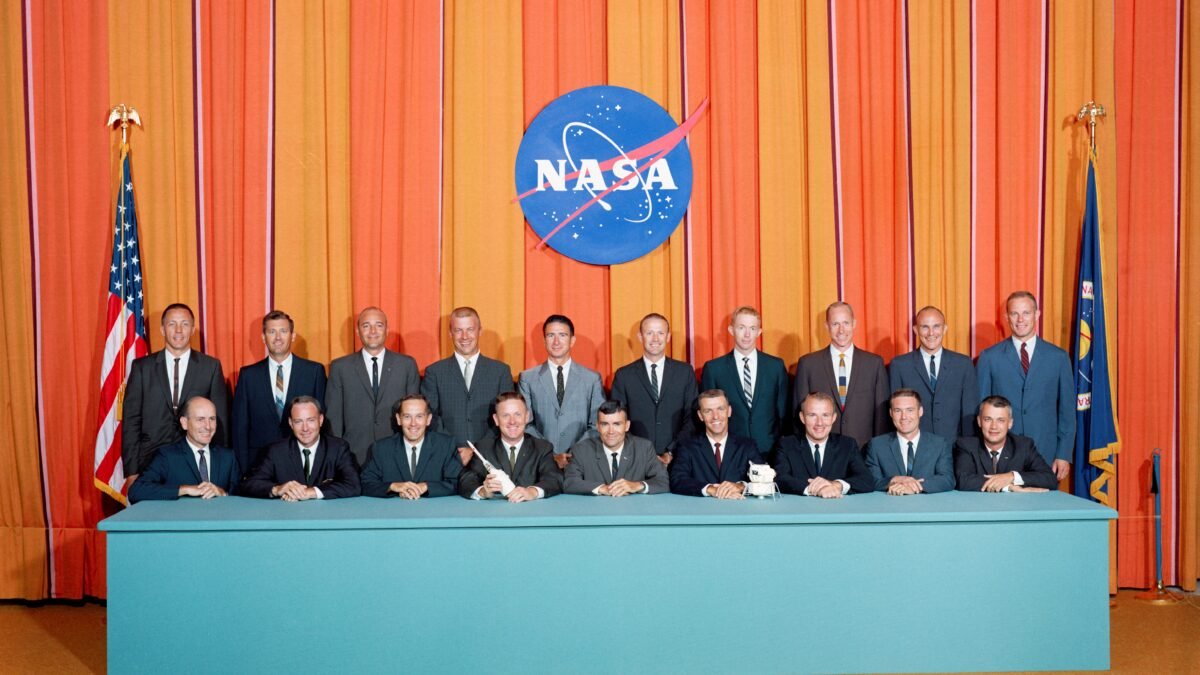
NASA’s 1966 selection of its fifth astronaut group offers a striking lesson in what actually predicts success under pressure: not raw intelligence, but judgment, motivation and emotional stability. Candidates were scored on a 30-point system in which IQ counted for just one point, while engineering qualifications, pilot performance, technical interviews and character carried far greater weight.
By the mid-1960s, NASA had completed the Mercury and Gemini programmes and was preparing astronauts for the more demanding Apollo missions, which involved spacecraft docking, lunar exploration and emergency decision-making. The agency sought candidates who combined technical knowledge with practical implementation and psychological resilience, rather than simply the highest scorers on paper.
The official selection procedure evaluated candidates across several categories, including engineering and scientific knowledge, operational performance, motivation, communication skills, teamwork and leadership potential. The underlying philosophy was that astronauts would inevitably encounter situations where textbook knowledge alone would not be enough, and that success would depend on remaining calm to make sound decisions and working effectively with teammates when systems failed or unexpected problems arose.
NASA’s emphasis on character was shaped by the realities of human spaceflight, where a candidate who performed exceptionally well on written tests but struggled to remain composed during a crisis could put an entire mission at risk. That philosophy was later validated during Apollo 13, when astronauts and engineers worked together to overcome multiple system failures through creative problem-solving and disciplined teamwork, years after Group 5 had already been selected using exactly these principles.



Leave a Reply