This ancient surgery used flint tools, no anesthesia, and somehow worked
A 5,300-year-old skull from Spain shows a woman underwent ear surgery performed with sharpened flint tools, likely without anaesthesia, and survived.
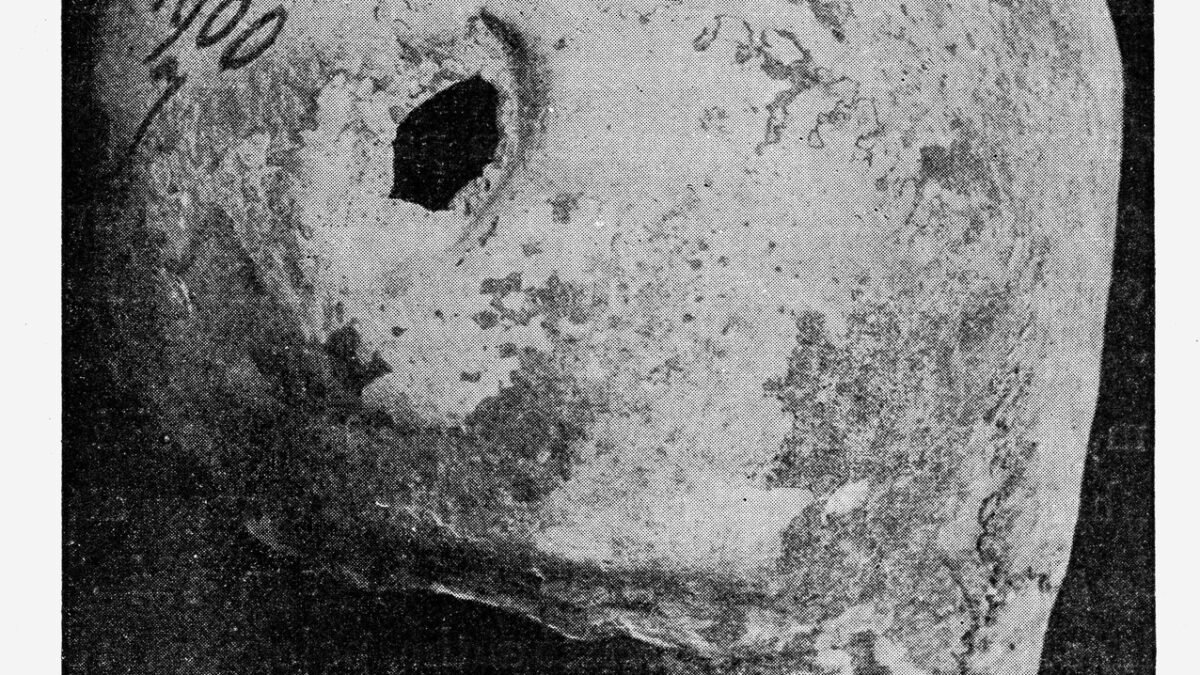
The operation took place thousands of years before antibiotics, anaesthesia or metal surgical instruments existed, yet a woman buried in a Neolithic tomb in northern Spain survived not one but two ear surgeries.
Unlike modern operations carried out with surgical drills, the prehistoric procedure was performed using sharpened flint tools. Researchers believe the surgeon gradually scraped and drilled through the mastoid bone behind the woman’s ear using slow, circular movements until reaching the infected area. Microscopic analysis of the skull, unearthed in 2018 from the Dolmen of El Pendón near Reinoso, revealed cut marks consistent with stone tools.
Archaeologists also recovered a flint blade from the burial site showing microscopic signs of cutting bone. The tool had been heated repeatedly to around 350 degrees Celsius, leading researchers to suggest it may have been sterilised or used to cauterise tissue during the procedure.
Researchers believe the woman, thought to be around 65 years old, may have been physically restrained during the operation or given naturally occurring pain-relieving plants such as poppy or other psychoactive herbs to ease her suffering. Despite the intense pain and constant risk of infection, she survived both operations, evidence of new bone growth around the surgical openings confirms.
Image: Wikimedia Commons




Leave a Reply