JPMorgan survived 2008 without a bailout, its CEO says that’s the whole point
Jamie Dimon points to JPMorgan's own risk management before the 2008 crisis as proof that banks do not need to rely on being rescued.
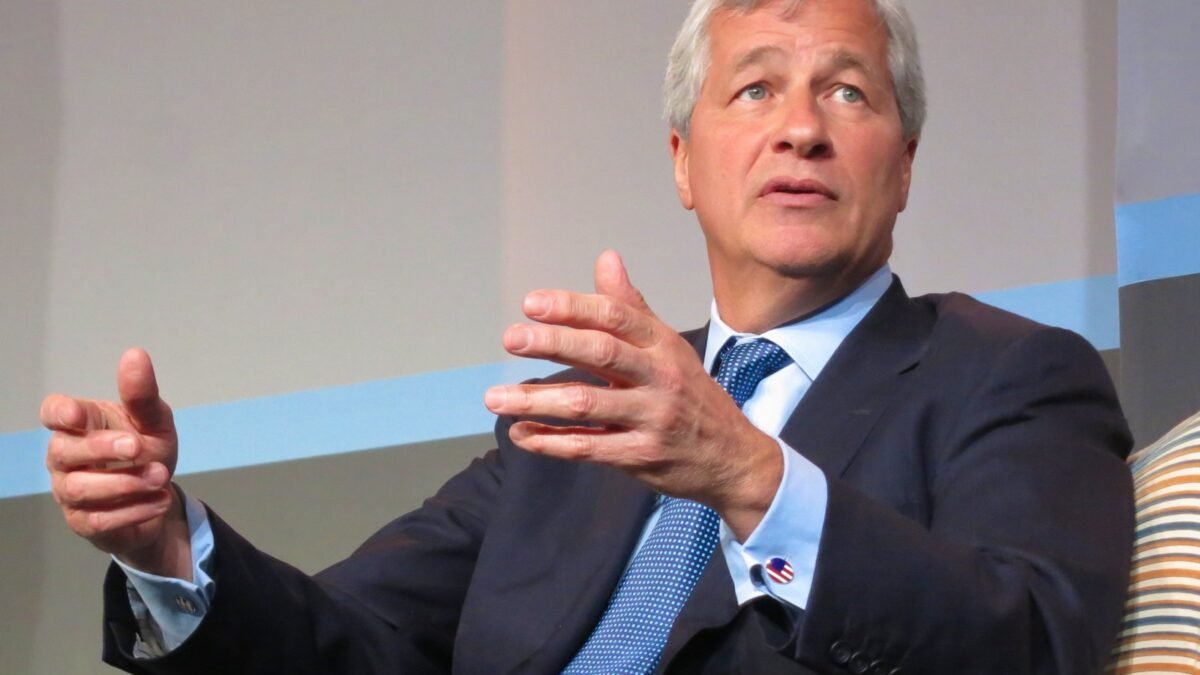
During 2008, when the financial crisis was at its worst, JPMorgan was in better shape than most of its peers. Jamie Dimon has never been particularly modest about why, pointing to the risk management decisions the bank made in the years before the collapse, particularly around mortgage exposure, as the reason it did not need the kind of emergency rescue others did.
The lesson Dimon draws from that experience is not that the government’s 2008 response was wrong, but that the goal should be a system where such a response is never necessary in the first place. It is part of why he wants the phrase ‘too big to fail’ removed from common use entirely: ‘The term “too big to fail” must be excised from our vocabulary.’
His argument is that once an institution is accepted as too big to fail, it operates under a different set of rules than everyone else, able to take on risk knowing the downside is someone else’s problem.
Dimon’s annual letters to shareholders, running to dozens of pages, return repeatedly to the same thread: institutions should be built to absorb shocks, not rely on someone else absorbing them.
Image: Wikimedia Commons/by Steve Jurvetson




Leave a Reply