Planning a US national park trip? Here’s what to do if a bear won’t back off
Safety experts detail the different responses hikers need for a defensive bear versus a predatory one during a national park visit.
Anyone planning a trip to a North American national park is being urged to learn one crucial distinction before setting off: not every bear encounter calls for the same response. Wildlife safety guidance splits bear behaviour into two very different categories, defensive and predatory, and reacting the wrong way to either can make a dangerous situation worse.
A ‘defensive’ bear is usually one that has been surprised at close range or is protecting a food source or its cubs. It may moan, ‘woof’ or swat the ground to warn a visitor off. The correct response is to stay calm, speak in a soft voice and back away slowly, since running can trigger the bear’s instinct to chase. If the bear does attack, travellers are told to stand their ground and use bear spray, and only if physical contact happens should they play dead, dropping flat on the stomach and interlacing fingers behind the neck to protect the head until the bear moves on.
A ‘predatory’ bear behaves in an entirely different way, showing calm, quiet interest and sometimes following or approaching a person directly. In this case, playing dead is the wrong move. Instead, the advice is to stand ground, raise the arms, open a jacket and stand on a rock or log to look as large as possible while shouting in a strong voice, and to fight back with whatever is available if the bear actually attacks.
Preparation before entering the park matters just as much as knowing how to react in the moment. Travelling in groups lowers the overall risk since most wild animals avoid larger gatherings of people, and visitors with children are advised to keep them close at all times. Staying alert by putting phones and earbuds away also helps travellers notice an animal’s presence early, well before an encounter becomes unavoidable.
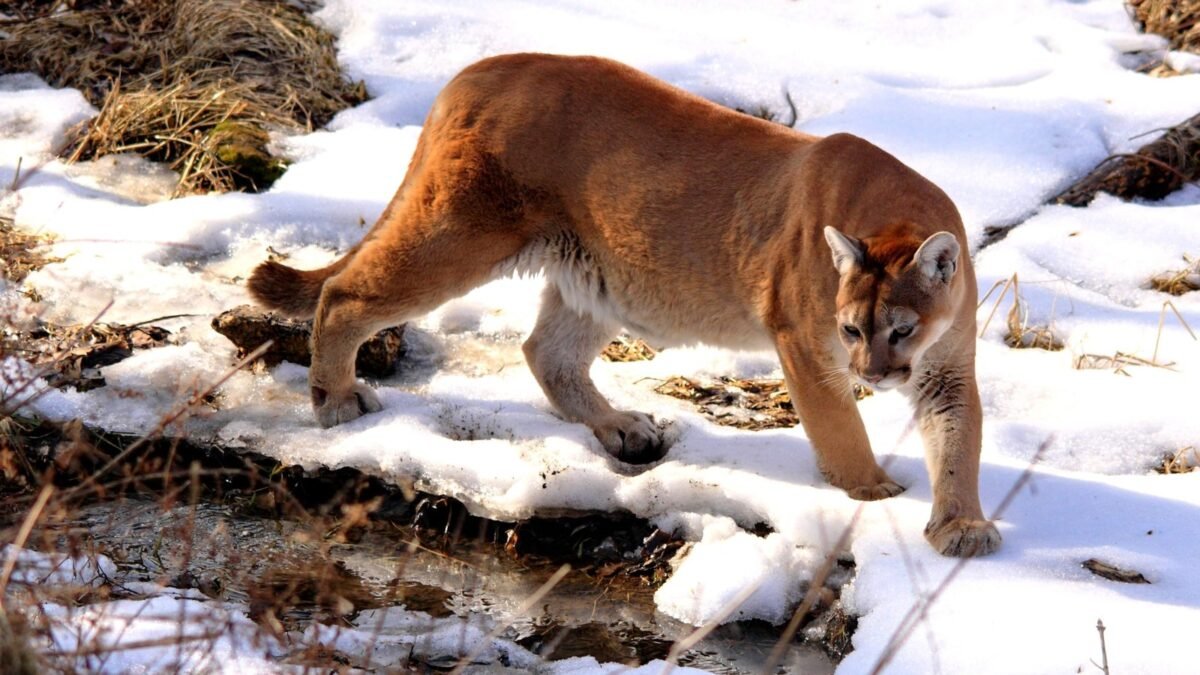
Other iconic park residents carry their own risks. Mountain lions generally avoid humans but should never be approached while crouching, since a crouched posture can resemble prey to the animal; travellers should stay upright, even when picking up a child. Large herbivores such as moose, bison and elk can also turn aggressive, particularly a moose defending its calves, so the safest approach is to give them a wide berth and turn back rather than attempt to pass.
Wildlife authorities stress that these are precautions, not reasons for alarm: attacks remain rare, and a visitor is statistically more likely to be hurt in a car accident involving a deer than by a mountain lion. Most encounters end peacefully once the animal senses no threat, and any serious incident should be reported to park rangers immediately so they can manage public safety and the local wildlife population.
Wikimedia Commons/by NaturesFan1226


Leave a Reply