What makes a city ‘spongy’? Inside China’s green infrastructure push
China's sponge city programme uses permeable pavements, rain gardens and green roofs to absorb rainwater instead of channelling it away.
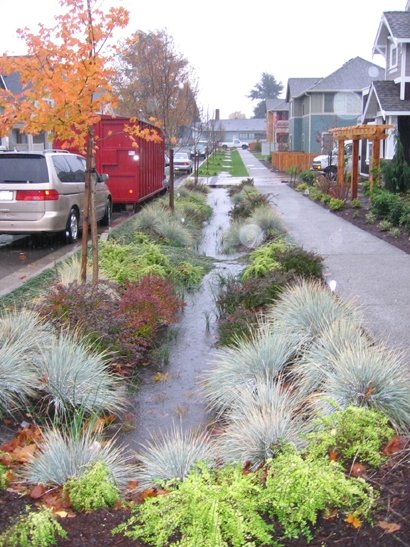
China’s sponge city programme integrates natural, green infrastructure directly into existing urban drainage systems, allowing rain to be absorbed, stored and gradually purified where it falls rather than immediately discharged elsewhere, according to a review published in the journal Environmental Chemistry Letters.
In practice, this means permeable pavements that let water soak straight through, rain gardens and bioswales planted along streets and car parks, wetlands and retention ponds built into public parks, and green roofs that capture rainfall before it reaches street level.
Chinese President Xi Jinping first put the sponge city concept forward as national policy in 2013, aiming to address cities increasingly prone to both severe flooding and persistent water shortages after rapid urbanisation replaced absorbent natural ground cover with impermeable concrete and asphalt.
According to a World Bank account of the programme, China aims to turn 80% of its urban areas sponge-like by 2030. The approach began with a pilot programme covering 30 selected cities in 2013, testing the mix of green infrastructure best suited to each location’s soil type, climate and existing drainage network.


Leave a Reply