Why bumblebee colonies can’t ‘dilute’ pollution the way honeybee hives do
Researchers say a 'dilution effect' tied to colony size and foraging range may explain why bumblebees absorb far more toxic metals than honeybees.
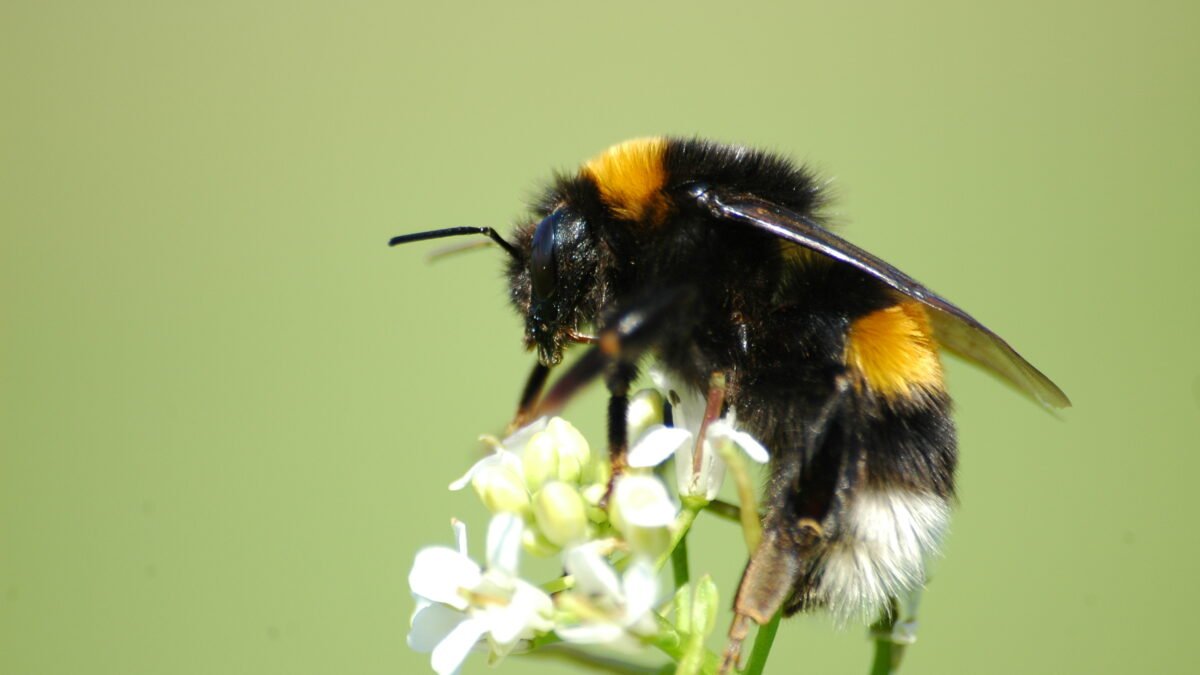
A new study suggests the size and foraging habits of a bee colony may determine how much pollution its members absorb. Honeybee colonies can contain tens of thousands of workers foraging across large areas, sometimes collecting resources from many flower patches spread across several kilometres — a wide network that may dilute contamination gathered from any single hotspot.
Bumblebees operate very differently. Their colonies typically number only a few hundred individuals, and their foraging range is generally far more limited. If a bumblebee colony happens to exploit flowers growing in a contaminated area, there are fewer opportunities for cleaner pollen from elsewhere to offset that exposure, researchers say.
This ‘dilution effect’ may partly explain why metal concentrations in honeybee pollen stayed comparatively stable in the study, while bumblebee pollen showed larger fluctuations and higher peaks. The research, published in Ecological Entomology, compared colonies of buff-tailed bumblebees and western honeybees placed at the same sites in Cambridgeshire, England.
Bumblebee-collected pollen contained between two and seven times higher concentrations of arsenic, chromium, cobalt, lead and tin than honeybee pollen, even when colonies were less than 50 metres apart — underscoring how differently the two species experience the same landscape.


Leave a Reply